
The stage is being set for El Salvador’s next Presidential elections, scheduled for February 4, 2019. El Salvador’s Constitution sets a limit of one five-year term, so President Sánchez Cerén of the Farabundo Martí National Liberation Front (FMLN) is ineligible to run for re-election. On May 27, the FMLN chose Hugo Martinez as their candidate to face off against Carlos Calleja of the Nationalist Republican Alliance (ARENA) and - in all likelihood - Nayib Bukele of the newly-formed New Ideas party.

Image: 

Description: 

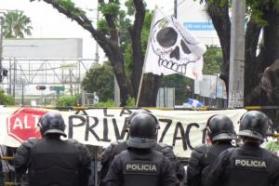
Petition to the US Ambassador to El Salvador.

Image: 

Description: 

Webinar with Karen Ramírez of the National Water Forum of El Salvador, May 29 at 6:00 pm ET

El Salvador’s Water: Not for Sale!

Featuring Salvadoran social movement leader Karen Ramírez

Tuesday, May 29 at 6:00 pm ET/3:00 pm PT

Register here to get the log-in information and reminders about the event.

The recent protests in Nicaragua has bought the Central American country into the international spotlight in a way it hasn't been in many years. The mainstream media in the U.S. paints a picture of President Ortega as a dictator who will soon be toppled by the masses who have the backing of all Nicaraguans.

However, this is not the whole story. Like other recent protests in Latin American countries that have left and left-leaning government, people in the U.S. solidarity movement have rightly been asking: Who is protesting? Why they are protesting? How might the U.S. be involved?

Meet some of the sustainers who power our work!
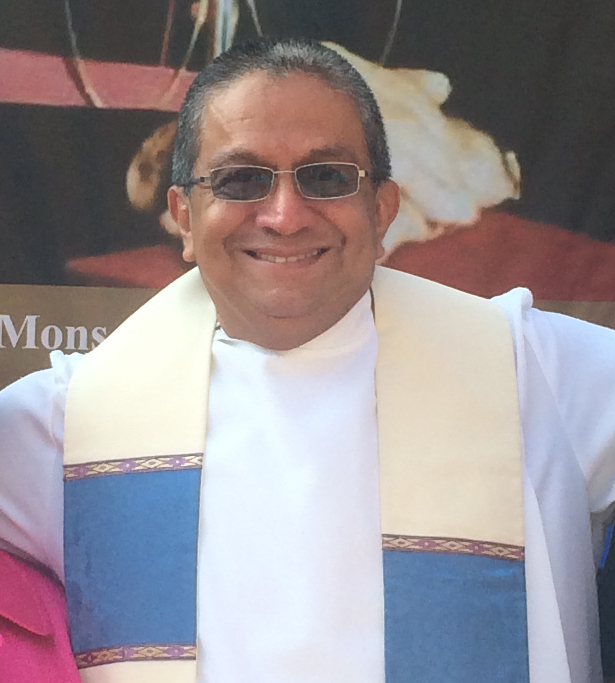
"I am a CISPES supporter because continuing to fight for social justice and a more people-centered country means continuing the dream and sacrifice of thousands of my fellow Salvadorans who died for that vision.” - Padre Carlos, New York City

Join Padre Carlos by becoming a sustaining donor to CISPES today!