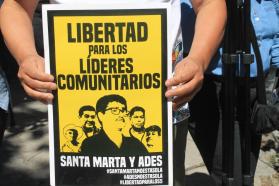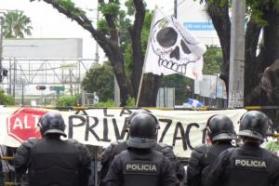
On Tuesday, July 30, several university student, staff, and social movement groups commemorated the 49th anniversary of a massacre that left dozens of students from the University of El Salvador (UES) dead or disappeared in 1975. The brutality of the massacre marked a turning point for the popular movement, casting greater doubt on the effectiveness of peaceful protest and the democratic process under a military government.

For immediate release
August 13, 2024

Media contact: Alexis Stoumbelis, [email protected],  +1 202-981-7381

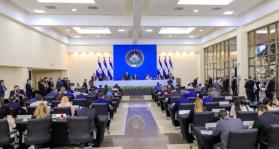
To help paint the image of a successful war on gangs, in recent years Salvadoran president Nayib Bukele has promoted a narrative that his security policies are resulting in fewer people are leaving the country. Recently, this narrative has gotten a boost in the U.S., from MAGA proponents to mainstream press. Soon after his June 1 inauguration for an illegal second term, to which U.S.

While Bukele has spent several years on an intense, multimillion-dollar international propaganda campaign to convince the world that he has transformed El Salvador into some kind of paradise, working families are experiencing a bleak economic reality.

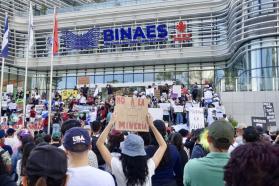
Despite heavy rains, tens of thousands of Salvadorans took to the streets on Saturday, June 29 for the country’s Pride March in a powerful display of resistance to Nayib Bukele’s attacks against the LGBTI+ community and the country’s democratic institutions.

Meet some of the sustainers who power our work!
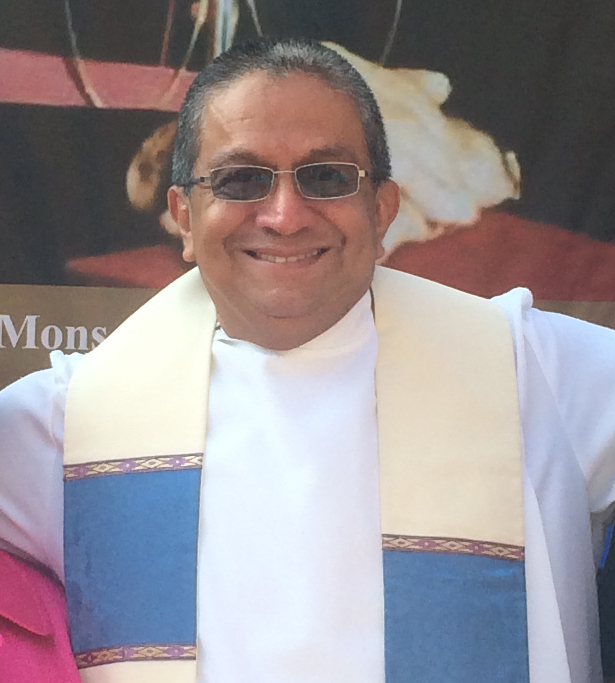
"I am a CISPES supporter because continuing to fight for social justice and a more people-centered country means continuing the dream and sacrifice of thousands of my fellow Salvadorans who died for that vision.” - Padre Carlos, New York City

Join Padre Carlos by becoming a sustaining donor to CISPES today!